The coming year will open a new stage in the development of the SWEB project, with a strong focus on researcher mobility, scientific excellence, and deeper integration within the European and global research landscape. One of the central activities will be the organisation of three Short Term Scientific Visits that will bring our young researchers to CNRS, Fraunhofer, and Uppsala University. These visits will allow them to work alongside established teams, gain practical experience with complementary techniques, and strengthen international ties that are essential for the long-term sustainability of the Thin Film Laboratory.
We will continue contributing to the regional scientific community by co-organising the FMNT conference and by hosting the Summer School of Functional Coatings. Both events will create opportunities for early-career researchers to engage with leading experts and to explore new approaches across materials science and thin film technologies. Our scientific output will remain a priority, and with several manuscripts already in preparation, we anticipate a further increase in high-quality publications that reflect the growing maturity of the research groups established within SWEB.
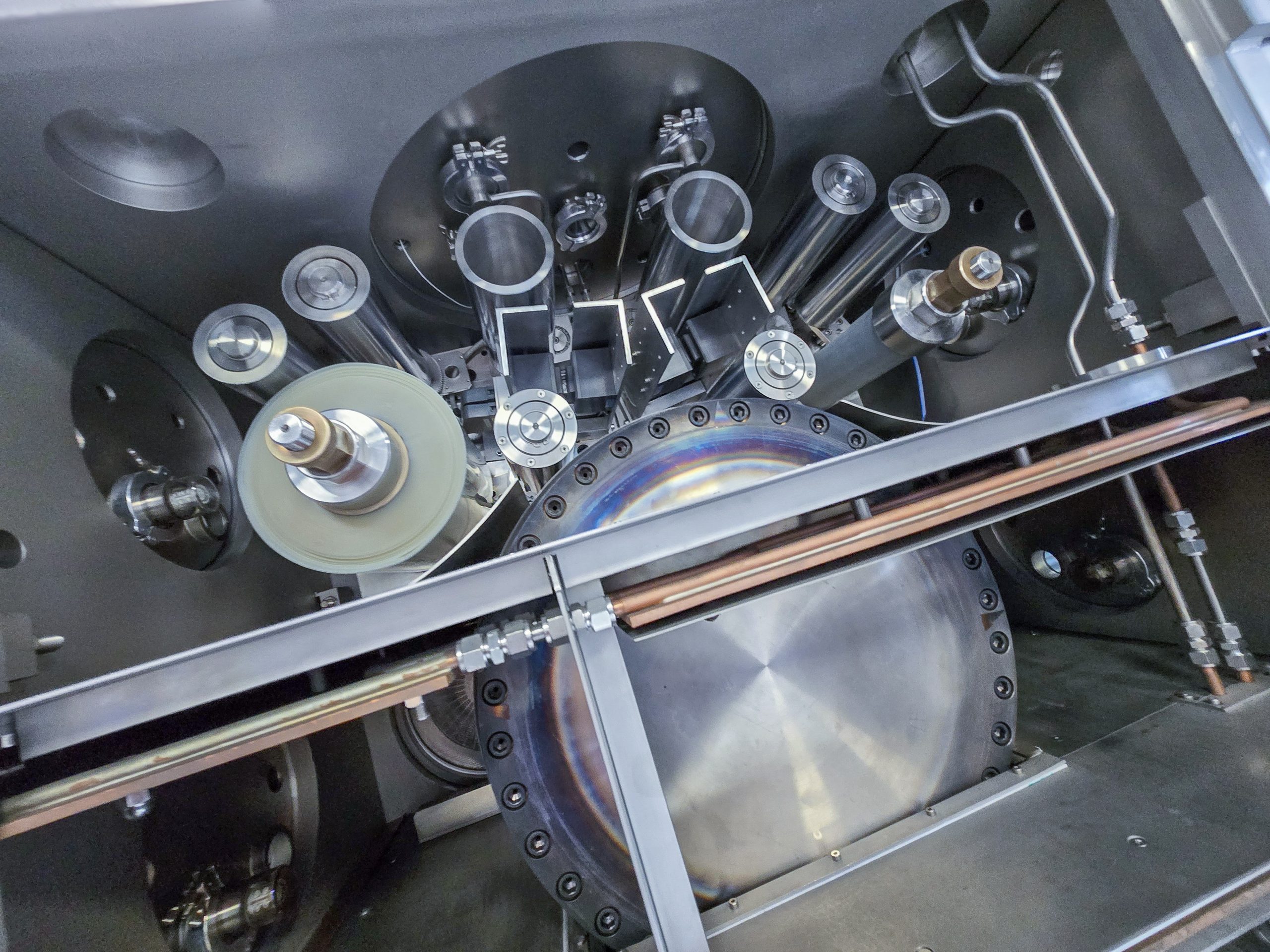
Next year will also bring renewed emphasis on communication with society. We will continue participating in the Researchers Night and expand our outreach activities in schools to introduce young audiences to the world of smart materials and energy-efficient technologies. Our collaboration with industry will deepen through ongoing ERDF projects and through the Roll to Roll deposition services that were launched this year, creating new opportunities for applied research and technology transfer.
The SWEB laboratory will keep welcoming recognised international experts whose seminars and workshops enrich our learning environment and support continuous knowledge exchange. At the same time, we will concentrate on preparing strong project applications within Horizon Europe, particularly in clusters that address advanced materials, sustainable energy solutions, and climate-neutral technologies. Several consortia are already being shaped for RIA and IA calls, and our work on coordination of Twinning proposals will continue in areas such as additive manufacturing, which has become an important complementary direction for the laboratory.